March 8, 2026·3 min read·Updated July 19, 2026
Safety Tips for Junkyard Visits - Essential safety precautions.

Visiting a junkyard can be an exciting adventure for car enthusiasts, DIY mechanics, and anyone looking for affordable auto parts. However, it's crucial to prioritize safety to avoid potential injuries and hazards. In this comprehensive guide, we'll explore essential safety precautions to keep in mind during your next junkyard visit.

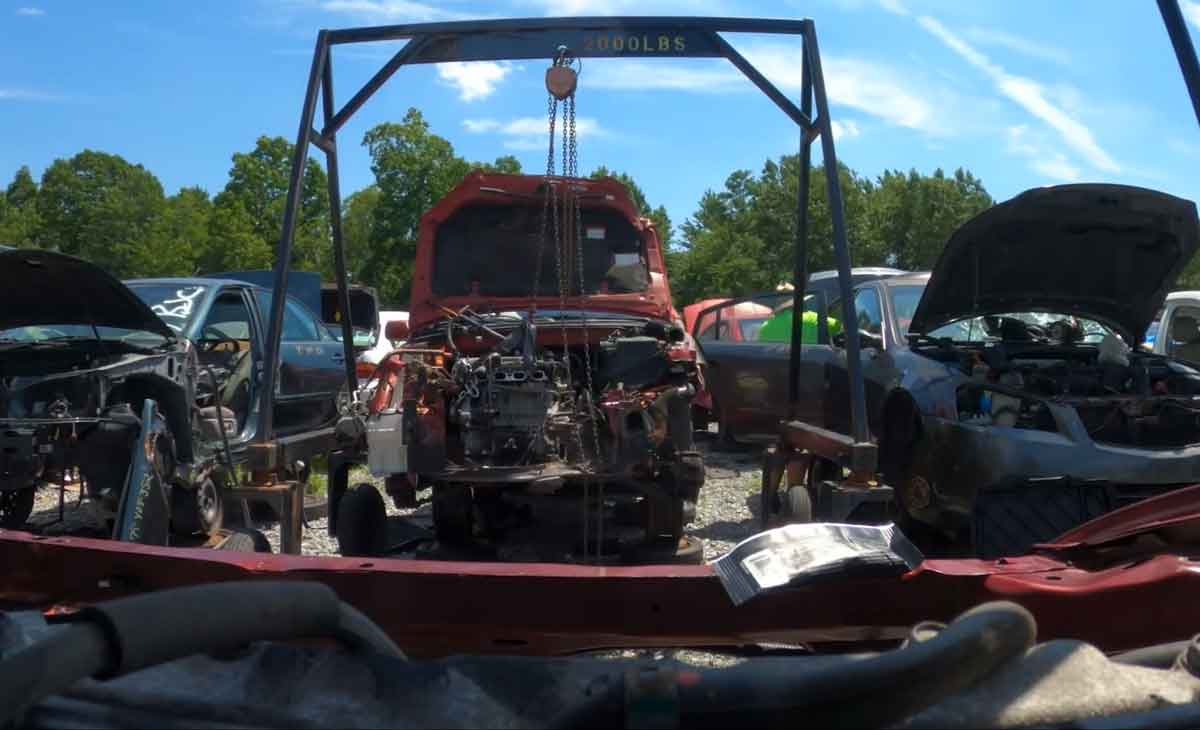
If you encounter any unknown substances or have doubts about a material's safety, it's best to avoid contact and seek assistance from junkyard staff.
Personal Protective Equipment (PPE)
One of the most critical aspects of junkyard safety is wearing appropriate personal protective equipment. Here are the essential items you should wear:- Steel-toe boots or sturdy, closed-toe shoes: Protect your feet from heavy falling objects and sharp debris.
- Heavy-duty gloves: Prevent cuts, scrapes, and punctures when handling auto parts.
- Safety glasses or goggles: Shield your eyes from flying debris, fluids, and chemicals.
- Long sleeves and pants made of durable material: Safeguard your skin from sharp edges and irritants.
- Hard hat (optional): Protect your head from overhead hazards, especially when removing large parts like engines.
Buddy System and Lifting Techniques
Junkyards can be vast and overwhelming, so it's always a good idea to bring a friend along. Not only can they provide an extra set of eyes to spot potential hazards, but they can also assist you with lifting heavy or bulky parts. When lifting, remember to:- Use proper lifting techniques to avoid back strain and injuries.
- Bend at the knees, keep your back straight, and lift with your legs.
- Ask for help when dealing with large, awkward items like engines or transmissions.
Navigating the Junkyard Safely
Junkyards are often filled with uneven surfaces, unstable vehicles, and potential hazards. To navigate the yard safely:- Wear appropriate footwear with good traction to avoid slips and falls.
- Be constantly aware of your surroundings, including other people and machinery.
- Watch your step and avoid walking on unstable surfaces like loose debris or stacked parts.
- Be cautious when climbing into vehicles, as they may have broken glass or sharp edges.
- Use a flashlight or headlamp to illuminate dark areas and avoid tripping hazards.
Handling Hazardous Materials
Junkyards are home to various hazardous materials that require special handling and precautions. Some common hazards include:| Hazardous Material | Risks | Precautions |
|---|---|---|
| Battery acid | Chemical burns, eye damage | Wear gloves and eye protection, avoid contact |
| Gasoline, oil, and other fluids | Fire, skin irritation | Avoid smoking, wear gloves, wash hands |
| Asbestos (in older brake and clutch parts) | Lung cancer, mesothelioma | Avoid disturbing or inhaling dust, wear a respirator |
| Refrigerants (in A/C systems) | Skin and eye irritation, environmental damage | Leave A/C system recovery to professionals |
First Aid and Emergency Preparedness
Despite taking all necessary precautions, accidents can still happen. Be prepared for emergencies by:- Carrying a basic first-aid kit with bandages, antiseptic, and pain relievers.
- Keeping a charged cell phone with you to call for help if needed.
- Familiarizing yourself with the junkyard's layout and emergency exits.
- Informing someone of your whereabouts and expected return time.
Written by Marcus Rivera
Senior Editor & Auto Salvage Specialist. Specializes in OEM parts interchange, Hollander coding systems, and helping car owners find quality used parts at salvage yards across the United States.