Junkyard & Salvage Yard Directory

Find Junkyards Near Me5,500+ Salvage Yards & Used Auto Parts

Search verified junkyard and salvage yard locations near you across all 50 states. Compare ratings, hours, and phone numbers to find quality used OEM auto parts at 50–80% below dealer prices.

Verified Locations

Save 50–80%

Self-Service & Full-Service

Eco-Friendly

What Are Junkyards Near Me?

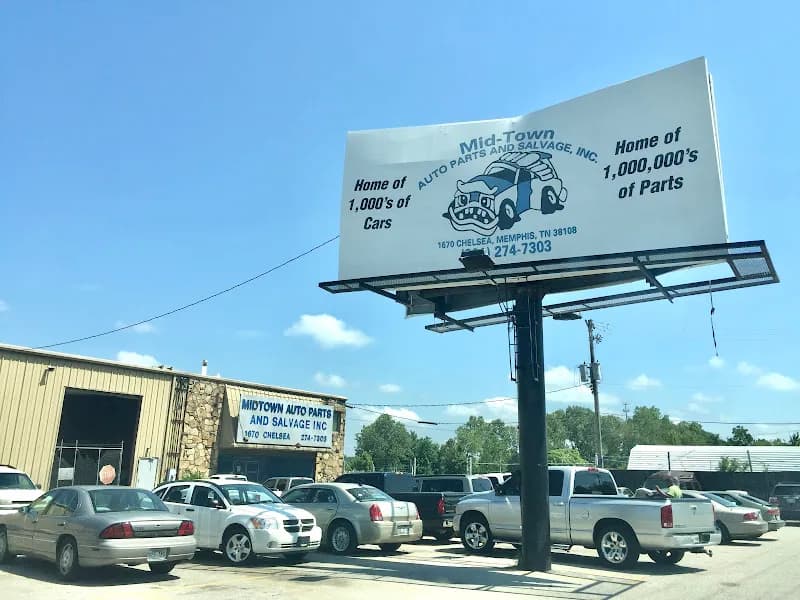
Junkyards (also called salvage yards, auto recyclers, or wrecking yards) are businesses where you can buy used OEM auto parts pulled from end-of-life vehicles at 50–80% below dealer prices. The United States has over 9,000 licensed salvage yards. This directory lists 5,500+ verified locations searchable by city, state, or zip code.

How to Find Junkyards Near You

  1. 1. Search by city, state, or zip code using our directory
  2. 2. Compare ratings, hours, and services offered
  3. 3. Call ahead to check parts availability for your vehicle
  4. 4. Visit the yard with your VIN or Hollander code for exact-fit parts

Types of Salvage Yards

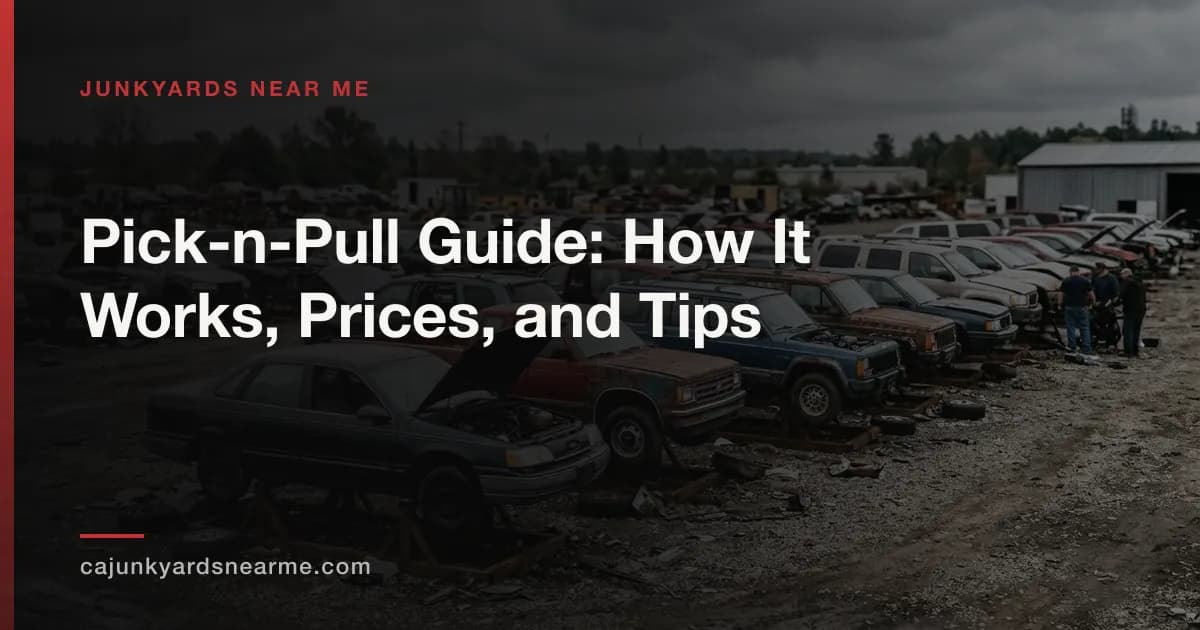
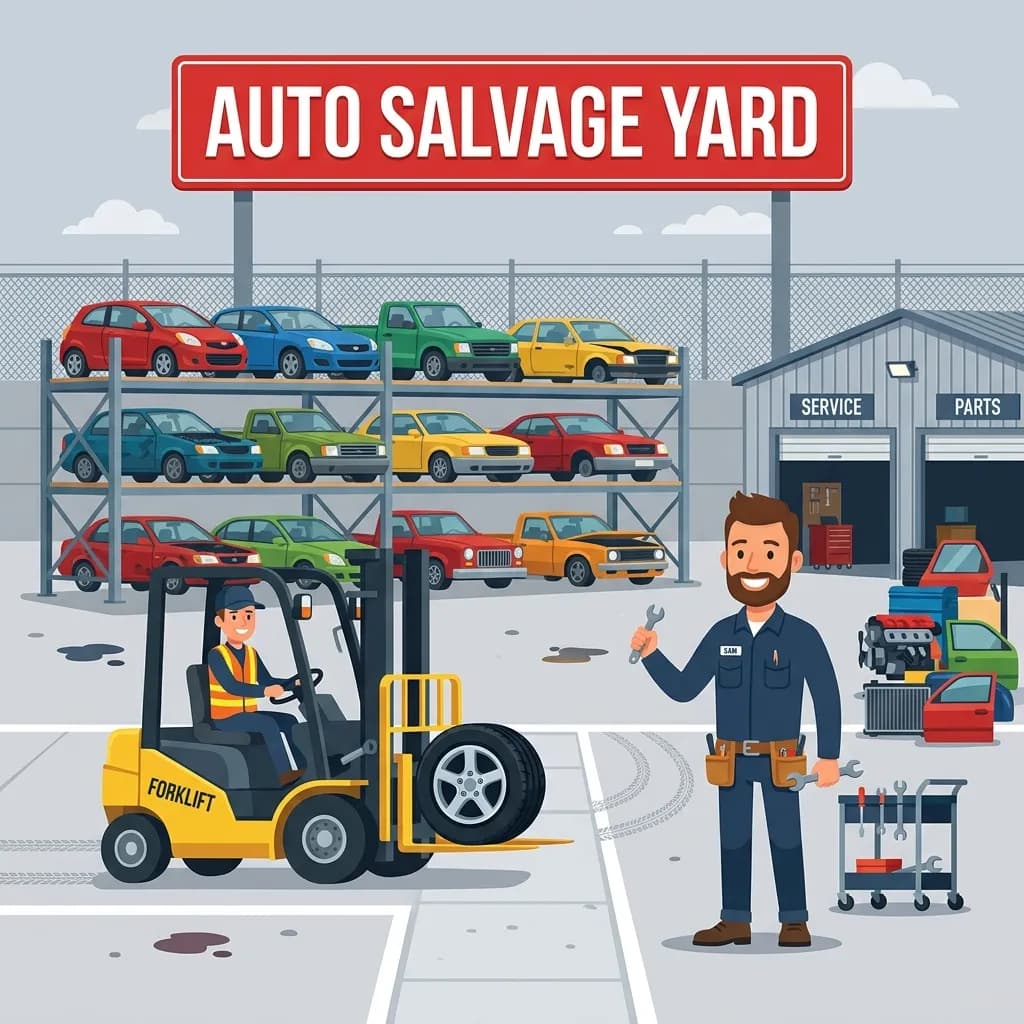
  • Self-Service (U-Pull-It): Bring tools, pull parts yourself. Lowest prices ($2–$5 entry fee).
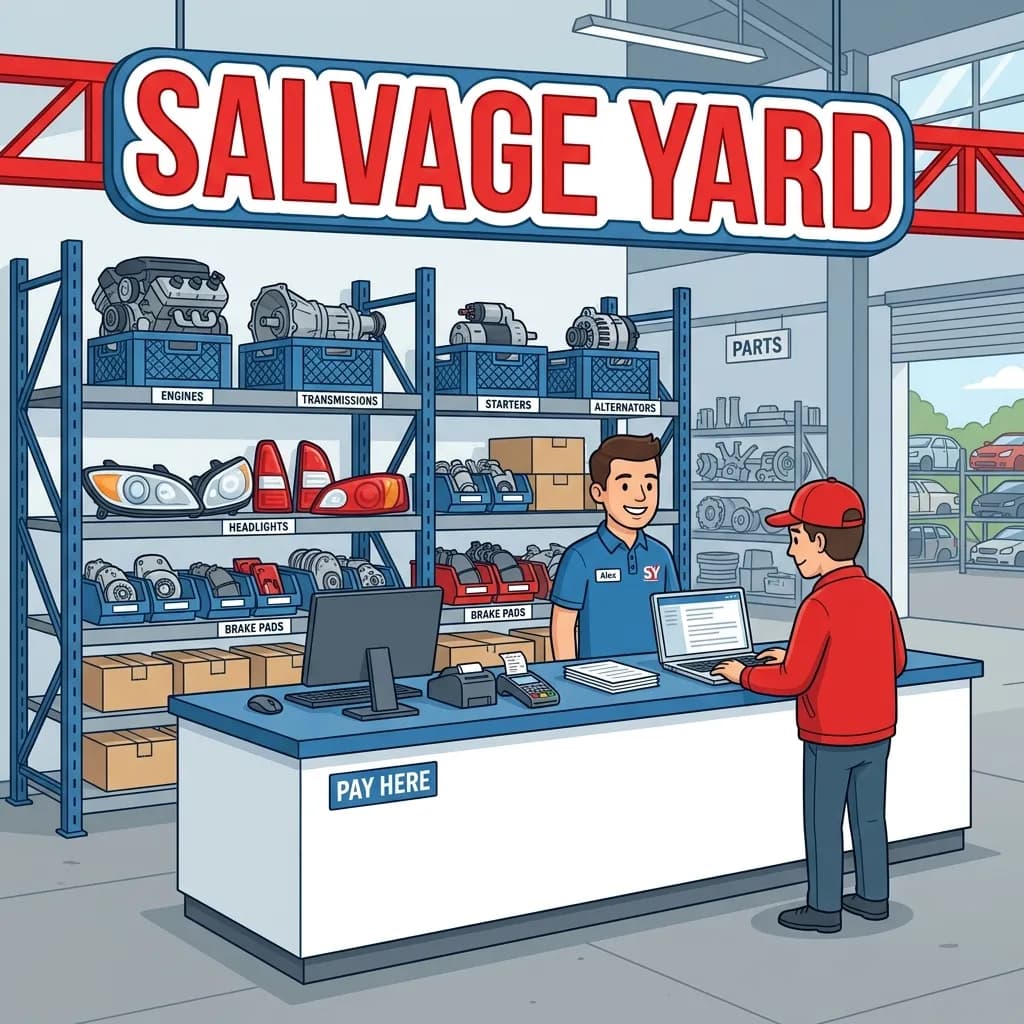
  • Full-Service: Technicians extract and test parts. Higher prices but includes warranty.
  • Specialty: Focus on specific makes (e.g., Japanese imports, European cars).

Frequently Asked Questions

Everything you need to know about buying used auto parts

The auto recycling industry relies on a database system called the Hollander Interchange. This standard indexes parts and identifies which parts are structurally and mechanically identical across different makes, models, and production years. When you query or call a salvage yard in our directory, providing your VIN (Vehicle Identification Number) or mentioning the Hollander Interchange code allows the operator to instantly search equivalent matches for your car.
Self-service (also known as "u-pull-it" or "you-pull") salvage yards require you to bring your own tools, enter the yard, and remove the parts yourself. These yards charge a very low entry fee (usually $2-$5) and offer the lowest wholesale pricing. Full-service salvage yards have technicians who extract the parts for you. The parts are cleaned, tested, and stored in a warehouse ready for pick-up or delivery. While full-service yards are more expensive, they save you labor and often provide longer warranty periods.
Selling a scrap or end-of-life vehicle is a straightforward three-step process: 1. Request an instant quote online or by phone. 2. Arrange towing (most verified yards in our directory provide free local towing for scrap cars). 3. Swap the keys and title for immediate payment. Note that you must have a valid government-issued photo ID and proof of ownership (like the vehicle title or registration, depending on state-specific scrap metal laws) to complete the transaction.
A salvage yard estimates a junk car's value based on: 1. The current market spot price per ton for scrap steel and iron. 2. The weight of the vehicle (heavy SUVs and trucks yield higher scrap values than compact cars). 3. The value of salvageable premium parts (such as catalytic converters containing precious metals, functioning engines, transmissions, and aluminum alloy wheels). 4. Local towing logistics.
Yes, OEM recycled parts are structurally identical to the parts your car was built with. Verified salvage yards run inspections and tests (like checking engine compression or bench-testing electronics) before listing them. Most reputable yards provide a standard 30-day to 90-day replacement warranty on parts, with options to purchase extended coverage. However, wear-and-tear items (like brake pads or seals) should always be replaced with brand-new aftermarket parts.

Auto Recycling Industry by the Numbers

Data from the Automotive Recyclers Association (ARA) and U.S. Environmental Protection Agency (EPA)

75%

of a vehicle is recyclable

Source: EPA

12M+

vehicles recycled annually in the U.S.

Source: ARA

$32B

U.S. auto recycling industry revenue

Source: ARA

50–80%

savings on OEM parts vs. dealer prices

Source: Industry Avg.

According to the Automotive Recyclers Association, auto recycling is the 16th largest industry in the United States, employing over 100,000 workers. The U.S. EPA reports that recycling vehicles conserves approximately 85 million barrels of oil annually that would otherwise be used to manufacture new parts.