How to Sell a Junk Car in North Carolina: Title Rules, Forms, and Payout
North Carolina adds two steps most states skip: the title has to be notarized, and the plate has to go back to NCDMV before you drop insurance. Below is the order to do things in, including what to do if the title is missing.
Key Takeaways
- A North Carolina title transfer must be notarized. Do not sign the seller section until a notary is present.
- No title? Licensed recyclers and salvage yards can buy a car 12 model years or older without one under G.S. 20-62.1, with your photo ID and a signed statement.
- A duplicate title uses Form MVR-4, costs $25.50 as of October 2026, and carries a 15-day mandatory wait.
- Turn in your plate before you cancel insurance, or risk a lapse penalty of $50 to $150 plus a $50 restoration fee.
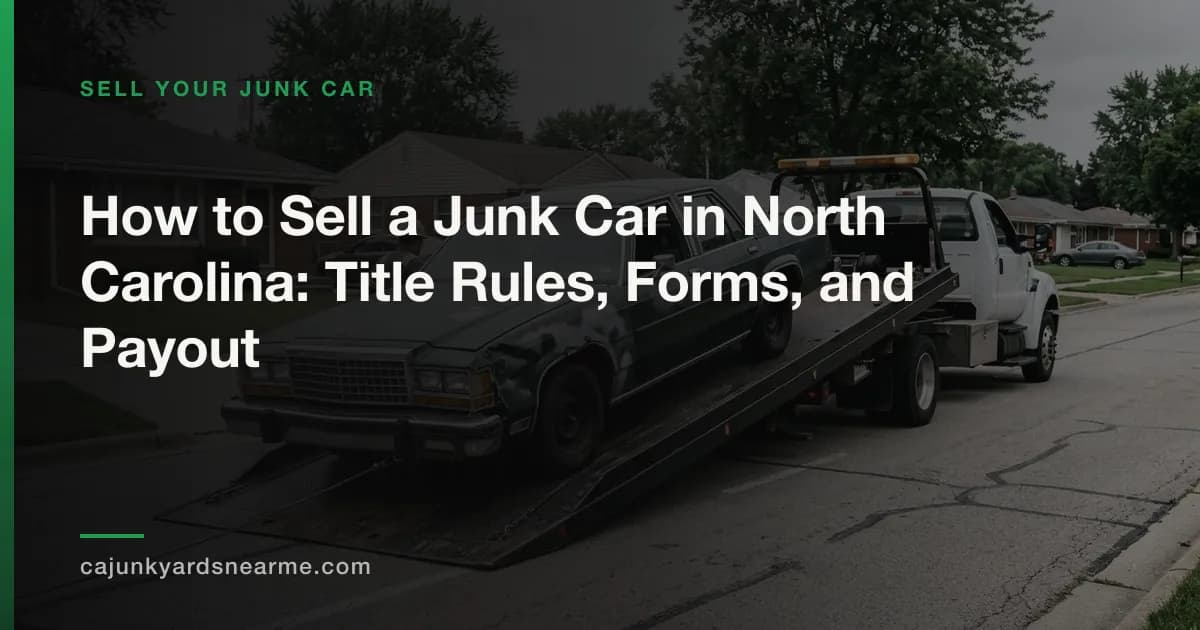
To sell a junk car in North Carolina, sign the back of the title in front of a notary, hand it to a licensed recycler or salvage yard, then surrender your plate to NCDMV before you cancel insurance. If the title is lost and the car is at least 12 model years old, a licensed yard can buy it without one under G.S. 20-62.1.
Is a title required to junk a car in North Carolina?
For most cars, yes. NCDMV's title process for any sale starts with the original title, signed on the back by the seller and the buyer, and a North Carolina title must also be notarized.
The exception is written into state law. G.S. 20-62.1 lets a secondary metals recycler or salvage yard that buys vehicles only for dismantling, scrap, or parts purchase a car without a certificate of title if the vehicle is 12 model years old or older. The buyer has to keep a record on a DMV-approved form or format that includes:
- Your name, address, and driver's license number, plus a copy or scan of your NCDMV license or other state or federal photo ID. With no qualifying ID, the sale cannot be completed.
- A statement you sign certifying that you have the right to sell, that the vehicle is at least 12 model years old, and that there is no lien or security interest on it.
- A written statement that the vehicle will be scrapped, crushed, or dismantled for parts only.
- The year, make, model, VIN, and price paid.
Before closing the deal, the buyer must check online with NCDMV whether the vehicle has been reported stolen and keep a record of the result. The yard keeps these records for at least two years and reports the purchase to the National Motor Vehicle Title Information System (NMVTIS) within 72 hours after the day's close of business. Some older copies of the statute say 10 model years, so if a yard quotes you that number, ask which version they are working from.
North Carolina forms, fees, and deadlines
This is the paperwork a seller actually handles. Fees are as of October 2026 and come from NCDMV forms and pages.
| Situation | Document | Cost | Timing |
|---|---|---|---|
| Sale with title | Back of NC title, notarized | Notary fee only | At the sale |
| Sale without title (12+ model years) | Buyer's G.S. 20-62.1 record and your signed statement | None to seller | Buyer reports to NMVTIS within 72 hours |
| Lost or never-received title | MVR-4 Application for Duplicate Title, notarized | $25.50 | 15-day mandatory wait |
| Plate not moving to another car | Surrender at a license plate agency or by mail | None listed | Immediately, before canceling insurance |
| Sold car still on your registration file | MVR-46F affidavit, notarized | Check with NCDMV | When the buyer never retitled |
How to sign over a North Carolina title correctly
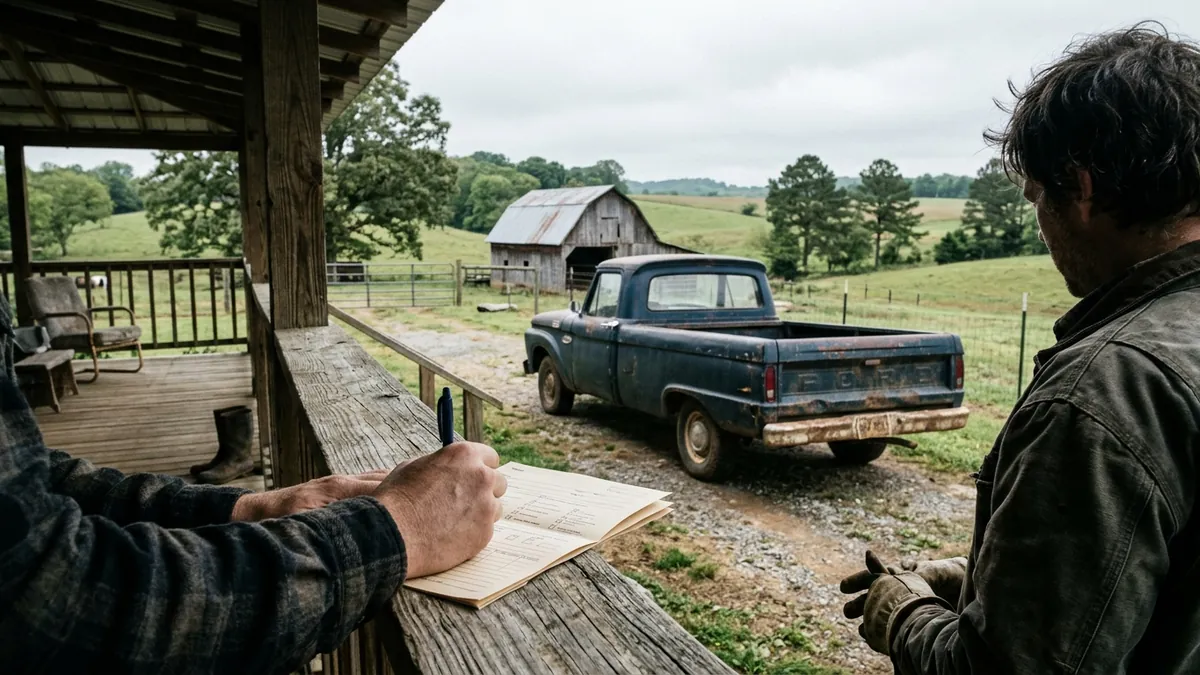
Fill in the seller's portion on the back of the original title, including your signature and hand-printed name, the odometer reading if one is required, and the buyer's information. Then have your signature notarized. NCDMV states plainly that a North Carolina title must be notarized when it is assigned.
Three practical points save a second trip:
- If two names are on the title, both owners sign, and both signatures and the notarization have to match.
- Get a release for any lien shown on the face of the title. A yard can't process the car without it.
- Write the yard's legal business name in the buyer section, not the tow driver's personal name.
If the yard sends a tow driver without a notary, have your signature notarized before pickup day and confirm the yard will accept a pre-notarized title with their name already filled in.
Getting a duplicate title from NCDMV
The duplicate title application is Form MVR-4, and the April 2026 revision lists a $25.50 fee. The registered owner signs it in front of a notary and checks whether the original was lost or never received.
NCDMV applies a 15-day mandatory waiting period after it receives the application before it can issue the duplicate. The form's mailing address is NCDMV, 3148 Mail Service Center, Raleigh, NC 27697-3148. If the original title was issued with a lien that has since been paid, the lienholder must certify that on the form or you need a lien release; otherwise the duplicate goes to the first lienholder of record.
For a car 12 or more model years old, compare that wait with the G.S. 20-62.1 route. A duplicate opens every buyer to you, while the no-title route limits you to recyclers and salvage yards and often lowers the offer. Our guide to selling a junk car without a title walks through that tradeoff.
Plates and insurance: the order matters in North Carolina
North Carolina is strict about sequence. NCDMV says that if you sell a vehicle without transferring the plate to another car, you must surrender the plate immediately, and you must return it before canceling liability insurance.
You can hand the plate in at any license plate agency or mail it to the NCDMV Vehicle Registration Section, Renewal, Title and Plate Unit, 3148 Mail Service Center, Raleigh, NC 27697-3148. An agency counter gets you proof faster than the mail does.
Dropping insurance first can trigger a lapse. NCDMV's insurance page says a lapse can lead to a civil penalty of $50, $100, or $150, depending on how many prior paid lapses you have had in three years, plus a $50 restoration fee at registration renewal. If the yard never retitles the car and it stays on your file, NCDMV's notarized MVR-46F affidavit is the form for removing a sold vehicle from your registration records.
What North Carolina recyclers will ask you for
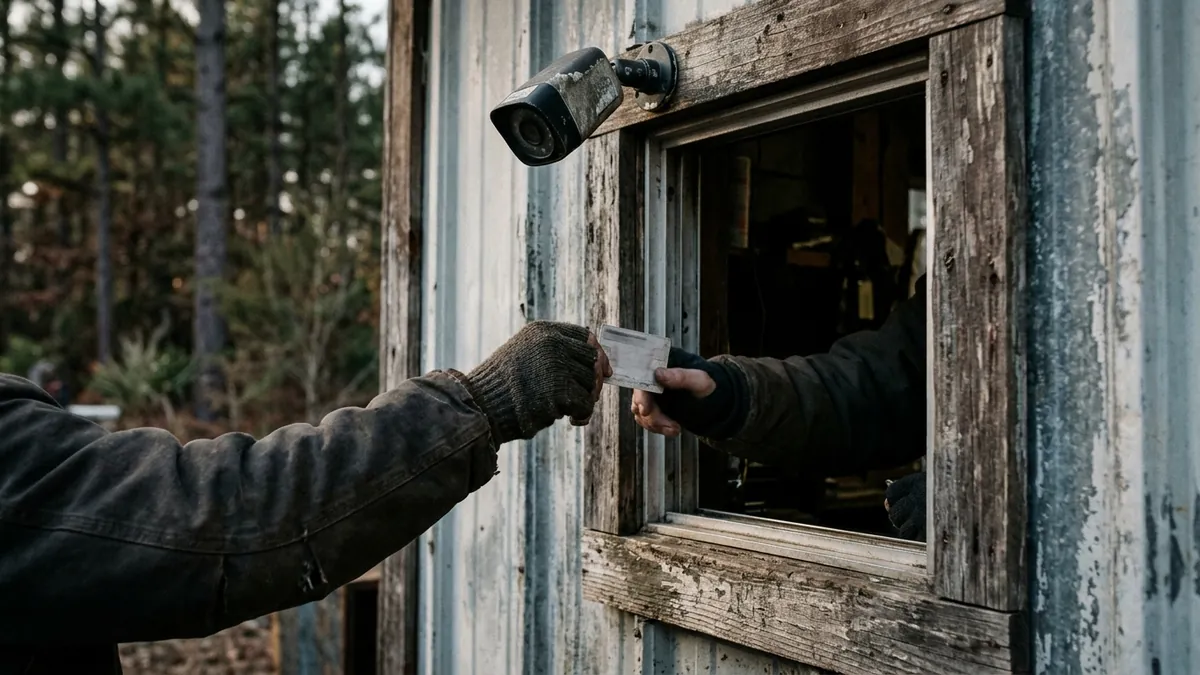
Expect ID checks and a photo. Under G.S. 66-421, a secondary metals recycler must copy or scan your unexpired driver's license or other state or federal photo ID and may not complete a purchase without it. The recycler also keeps a photo or video of the seller with the property being delivered and has you sign a statement that you have the right to sell it.
Catalytic converters sold on their own get extra scrutiny. G.S. 66-421 requires an ink or electronic index fingerprint next to your signature for a converter that is not attached to a vehicle. G.S. 66-424 bars recyclers from buying detached converters except from persons listed in G.S. 14-164.1, and bars non-recyclers from buying them at all. The easy answer is to leave the converter on and sell the whole car. If you want to know what the yard sees in that part, our catalytic converter value guide explains it.
What a North Carolina junk car is worth
North Carolina has no state price list for junk cars. Offers from junkyards in North Carolina depend on curb weight, current steel prices, whether the drivetrain and converter are intact, and how far the buyer has to tow. A no-title sale under G.S. 20-62.1 usually pays less, because the yard carries more verification work.
For current national ranges and how yards build an offer, see what your junk car is worth in 2026. If you are curious what the yard does once it has the car, what happens to your car at a junkyard follows it from intake to crusher.
How to find a licensed yard in North Carolina
A search for "salvage yards near me" is a fine place to start, but call before you book a tow. Ask whether the yard has a notary on site, whether it buys under G.S. 20-62.1 if you have no title, and whether payment is by check or electronic transfer.
- See North Carolina junkyards and salvage yards across the state.
- Use the full directory to compare junkyards near you across the Virginia, Tennessee, or South Carolina lines.
- Get offers through our sell-your-car page once your title is notarized or your ID and VIN are ready.
After pickup, take the plate to a license plate agency the same week, keep the receipt, and only then call your insurer.
This is general information, not legal advice. Rules change; confirm with NCDMV before you sell.
Sources
- North Carolina General Assembly: G.S. 20-62.1, Purchase of vehicles for scrap or parts (accessed October 2026)
- NCDMV: Vehicle Titles (accessed October 2026)
- NCDMV: MVR-4 Application for Duplicate Title (Rev. 04/26) (accessed October 2026)
- NCDMV: License Plates (accessed October 2026)
- NCDMV: Vehicle Insurance Requirements (accessed October 2026)
- North Carolina General Assembly: G.S. 66-421, Secondary metals recycler records (accessed October 2026)
- North Carolina General Assembly: G.S. 66-424, Prohibited acts (catalytic converters) (accessed October 2026)