How to Sell a Flood-Damaged Car (and What It's Worth)
A flooded car is usually an insurance claim first and a junk sale second. Figure out which one you have, then sell it honestly, because the flood brand follows the car.
Key Takeaways
- If you carry comprehensive coverage, file a claim before you sell. Flood damage is covered, and the insurer may total the car.
- Do not try to start a flooded car. The Texas Department of Insurance says experts recommend a mechanic look first.
- Title brands vary by state, but once a state brands a car, the brand is a permanent part of its NMVTIS record.
- Louisiana requires sellers to disclose flood damage in writing. A buyer who was not told can sue to undo the sale within one year.
- Keep a flooded EV or hybrid at least 50 feet from buildings and other vehicles, per NHTSA.
To sell a flood-damaged car, first find out whether it is an insurance claim. With comprehensive coverage, the insurer may total the car and pay you its value. Without it, sell the car as-is to a junkyard, auto recycler, or salvage buyer and disclose the flooding in writing. The offer will be based on the car's metal and undamaged parts. What it was worth as a running vehicle no longer counts for much.
Start with insurance: is it a claim or a sale?
Comprehensive coverage is what pays for flood damage. The Texas Department of Insurance puts it plainly: if you have comprehensive auto coverage, you are covered for flood damage to your car. Liability-only policies do not cover damage to your own car. Check your declarations page or call your insurer before you contact any buyer.
If you have a claim, report it quickly and photograph the damage, including the waterline inside the car. The insurer weighs the car's actual cash value against the repair estimate. Modern cars carry a lot of electronics, and TDI notes that a car may be totaled even if water never reached the engine. When that happens, the insurer pays the car's value and usually takes it, so there is nothing left for you to sell.
If you still owe more than the settlement, TDI says a gap policy would cover the difference, and without one you are responsible for the remaining loan balance.
Do not start it, and handle EVs with care
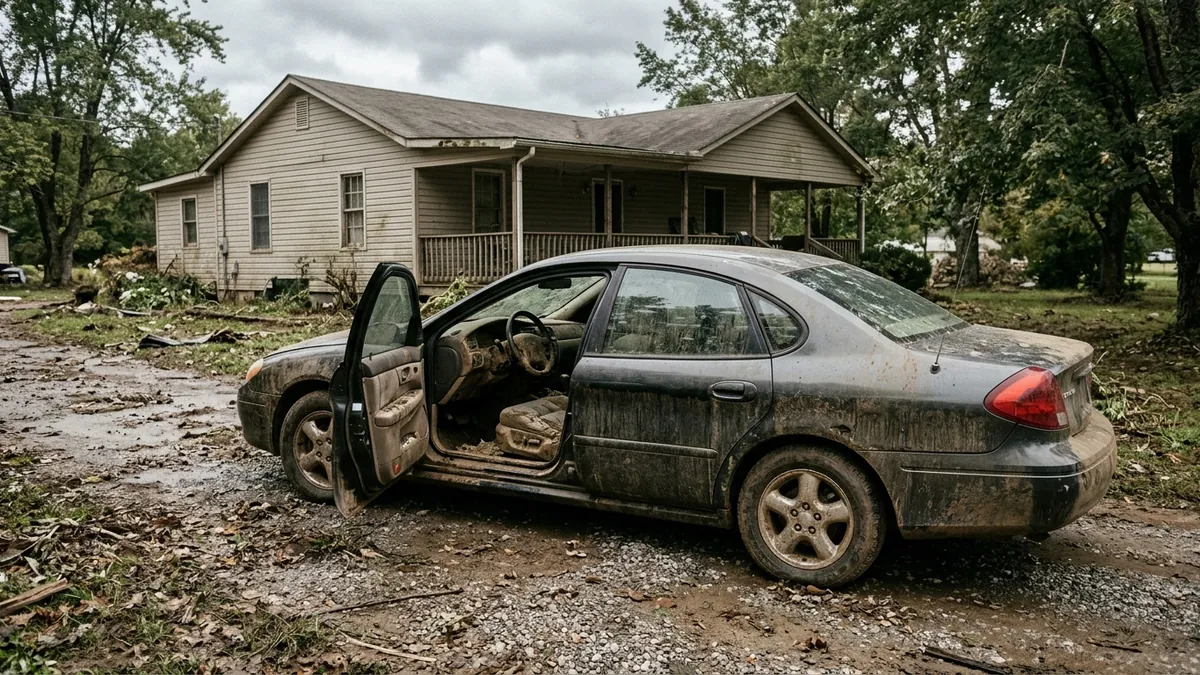
Turning the key on a flooded car can turn a salvageable engine into scrap. TDI says experts recommend having a mechanic look at a flooded car before trying to start it, to avoid more damage. If a buyer wants to hear it run, tell them it has not been started since the flood and let them decide.
Electric and hybrid vehicles need more care. NHTSA warns that the batteries in hybrid and electric vehicles are highly corrosive and should not be exposed to standing water, and that flooded vehicles may have high voltage and short circuits that can shock and cause fires. NHTSA advises against parking a damaged vehicle with a lithium-ion battery in a garage or within 50 feet of a house, another structure, another vehicle, or combustibles. If you suspect battery damage, contact your dealer or emergency services, and tell any buyer it is an EV before they send a truck.
How flood damage shows up on a title
A title brand is a label a state puts on a vehicle's title to show its condition. Flood is one of the most common. The FTC draws the line this way: a salvage title means the car was declared a total loss by an insurance company, while a flood title means the car has damage from sitting in water deep enough to fill the engine compartment.
There is no single national standard. Florida's motor vehicle agency says title standards are controlled by states and vary across the country. A few examples:
| State | Flood brand rule | Disclosure |
|---|---|---|
| Florida | Insurance companies are required to brand flooded vehicles as salvage flood | Dealers must disclose in writing if a vehicle has been branded |
| Texas | Uses a Flood Damage brand for vehicles damaged by freshwater flood or flood of unknown origin | TxDMV suggests buyers run a title history check and have suspected water damage inspected |
| Louisiana | A water damage brand is required when water reaches the powertrain, computer, or electrical system, even if the car does not qualify for a salvage title | All sellers must disclose flood water damage in writing; individuals use the state's Disclosure of Water Damage statement |
Brands follow the car across state lines. NMVTIS, the federal title database run by the U.S. Department of Justice, says that once a state titling agency brands a vehicle, the brand becomes a permanent part of the vehicle's NMVTIS record. The same page notes that a vehicle recovered from water damage may be branded flood in some states but not others. For how branded titles affect resale and registration, see our guide to salvage titles versus rebuilt titles.
Do you have to disclose flood damage when you sell?
Disclose it every time, in writing. In some states the law requires it of every seller, private or dealer. Louisiana's Office of Motor Vehicles policy says no dealer or any other person selling a vehicle in Louisiana may transfer it without notifying the buyer in writing of the extent of any flood water damage. If that disclosure is not made, the buyer may file suit to rescind the transaction within one year.
Hidden flood damage is how flood cars turn into fraud. The FTC warns that storm-damaged cars are sometimes cleaned up and taken out of state for sale, and that water can slowly destroy mechanical and electrical systems and cause rust and corrosion. A buyer who later finds the damage has every reason to come back to you. Write "flood damaged, sold as-is" on the bill of sale and have the buyer sign it.
What is a flood-damaged car worth?
A flooded car without insurance coverage is usually priced like a junk or salvage car. The buyer pays for what can still be recovered: the metal, which sets a floor based on weight and current scrap prices, plus any parts the water did not reach. Electronics, wiring, seats, and carpet that sat in water are often written off. That is why a flood car usually draws a lower offer than a dry one of the same model.
Four details move the number: how high the water got, whether it was fresh or salt water, how long the car sat, and whether anyone tried to start it. Give buyers that information up front with photos. For the weight-based floor, use our guide to scrap car prices by weight. For sourced 2026 payout ranges and how parts and title status affect them, see what your junk car is worth in 2026. Treat a flood car as a below-average case within those ranges.
Who buys flood-damaged cars?
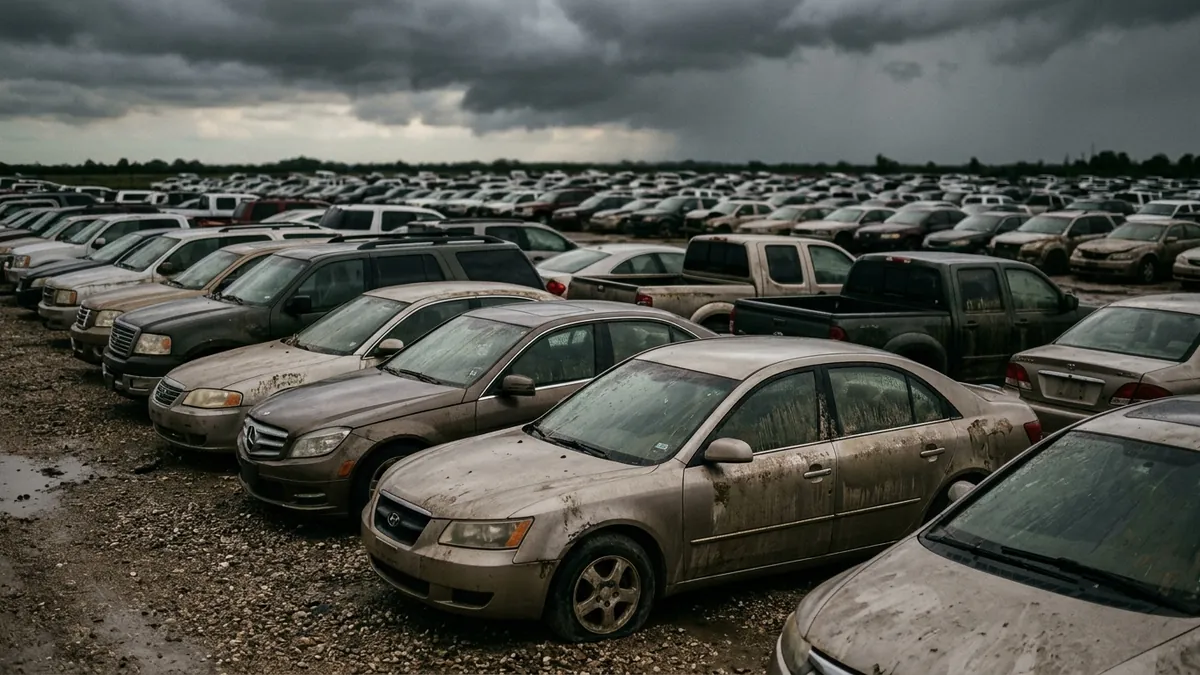
Licensed junkyards and auto recyclers are the simplest buyers. They dismantle the car, sell the parts the water did not ruin, and recycle the rest. As long as you have the title, the flood history does not scare them off. Our explainer on what happens to your car at a junkyard covers that process.
Be wary of buyers who want to drive the car away, ask you to leave the flood off the paperwork, or offer far more than every licensed yard. A buyer planning to resell a flooded car without a brand is setting up the kind of sale the FTC and state agencies warn about, and your name is on the title history.
Steps to sell a flooded car
- Call your insurer if you have comprehensive coverage, and let the claim run its course first.
- Do not start the car. Move an EV or hybrid at least 50 feet from buildings and other vehicles.
- Photograph the waterline, interior, engine bay, and the tow-truck access.
- Check what buyers will see. The FTC points to vehiclehistory.gov for title and brand information, and to the National Insurance Crime Bureau's free database, which shows flood damage only if the car was insured when it was damaged.
- Find your title and any lien release.
- Get offers in writing, disclosing the flood damage each time.
- Sign over the title with a written flood disclosure, then file your state's transfer or release-of-liability notice.
How to find a yard near you that takes flooded cars
A "junkyards that buy cars near me" search is a fine start, but call several yards. Some have more room for flooded cars than others, and some want them more. Browse licensed yards in our salvage yard directory, or start with state pages in flood-prone areas such as Louisiana junkyards and salvage yards or Florida junkyards. When you call, say up front that the car was flooded, how high the water reached, and whether it is gas, hybrid, or electric. To compare quotes without calling around, request offers for your car and note the flood damage in the details.
This is general information, not legal advice. Rules change; confirm with your state motor vehicle agency and your insurer before you sell.
Sources
- Texas Department of Insurance: Flooded cars: What to know about insurance claims and repairs (accessed October 2026)
- NHTSA: Hurricane- and Flood-Damaged Vehicles (accessed October 2026)
- Federal Trade Commission: Buyer beware: Flood-damaged cars for sale (accessed October 2026)
- Federal Trade Commission: How to steer clear of a flood-damaged car (accessed October 2026)
- Florida Department of Highway Safety and Motor Vehicles: Flooded Vehicles (accessed October 2026)
- Texas Department of Motor Vehicles: Water-Damaged Vehicles (accessed October 2026)
- Louisiana Office of Motor Vehicles: Policy 76.00, Water Damaged Vehicle (accessed October 2026)
- U.S. Department of Justice, NMVTIS: For Consumers (accessed October 2026)