How to Junk or Sell a Car That Still Has a Lien
You can sell or junk a car with a loan on the title. The catch is order: the lender gets paid and releases its lien before the sale is clean.
Key Takeaways
- You can sell or junk a car with a lien, but the lender must be paid in full and release the lien before ownership transfers cleanly.
- Get a written payoff amount good through a specific date. The CFPB says it can differ from your statement balance.
- If the junk offer is less than the payoff, you cover the shortfall. No legitimate buyer absorbs it.
- Release timing varies by state. In Texas, the lienholder has 10 days after receiving payment to release the lien.
- Electronic titles are released by the lender, electronically. In Florida, the state cannot release an electronic lien for you.
You can sell a car with a lien, including to a junkyard, as long as the loan is paid off and the lender releases its lien as part of the deal. The sequence is simple. Get a written payoff amount, then get offers. Cover any gap between the two, pay the lender, and hand the buyer a title or release showing the lien is gone.
Can you junk a car that still has a lien?
Yes, but not by ignoring the lender. A lien means the lender has a legal claim on the car until the loan is paid, and the lender is listed on the title as lienholder. California's DMV, for example, lists the lienholder's signature among the requirements for a title transfer. Until the lien is released, you do not have a clear title to hand over.
A licensed junkyard checks for this. Yards report every junk or salvage vehicle they take in to a federal database and operate under state licenses, so most will not buy a car with an open lien unless the payoff is handled as part of the transaction. If a buyer tells you the lien does not matter, walk away.

Step 1: get the payoff amount from your lender
Ignore the balance on your last statement. The payoff amount is the number that matters. The Consumer Financial Protection Bureau says your payoff can differ from your statement balance because of the way interest is calculated, outstanding fees, or other reasons. The CFPB also notes that most auto loans are simple-interest loans, so interest keeps building on the outstanding balance until the loan is paid.
Call or log in to your lender and ask for these:
- A written payoff quote good through a specific date, ideally a week or two out.
- Payment instructions, including whether the lender will take payment directly from a buyer.
- How it releases the lien: a signed paper title, a separate release letter, or an electronic release to your state.
Step 2: compare the payoff with what the car is worth
Once you have the payoff, get offers for the car and line the two up. A junk car offer is based on weight, parts, and condition, not on your loan. Our guide to what a junk car is worth in 2026 covers how buyers build that number.
| Your situation | What happens at the sale | Who pays what |
|---|---|---|
| Offer is more than the payoff | The lender is paid off from the sale proceeds and releases the lien | You keep the amount left over |
| Offer roughly equals the payoff | The sale proceeds clear the loan | You walk away with no cash and no loan |
| Offer is less than the payoff (negative equity) | The lender will not release the lien until it is paid in full | You pay the shortfall from your own funds |
| Car was totaled and insured | The insurer usually pays the lender what you owe, then pays you any balance | GAP coverage, if you have it, may cover a shortfall |
Negative equity is common with junk cars. A car worth only its scrap and parts value is often worth less than the remaining loan. The CFPB warns that rolling negative equity into a new auto loan makes the new loan more expensive, so pay the shortfall in cash if you can rather than financing it into your next car.
Step 3: choose how to close the sale
There are three common ways to sell a car with a lien. Which one works depends on your lender and your buyer.
Pay off the loan first, then sell
This is the cleanest route. You pay the lender, wait for the release, and sell the car with a clear title like any other. It is slower, and you need the cash to clear the loan before the buyer pays you. In exchange, every buyer will accept the title.
Have the buyer pay the lender directly
Some lenders accept payment from a third party, and some buyers are set up to pay off a lien as part of the purchase. If the offer is less than the payoff, you send the lender the difference. Get everything in writing, including the payoff amount, who is paying what, and when the lender will release the lien.
Close at the lender
If your loan is with a local bank or credit union, you and the buyer can sometimes complete the payoff in person. The lender takes payment and signs the release on the spot or tells you when it will be issued. This is mostly practical for private sales.
Whichever route you choose, follow the CFPB's advice on trade-ins: about a week after the payoff, contact the lender and confirm the loan shows as paid.
How lien release works on paper and electronic titles
The release looks different depending on whether your state keeps the title on paper or electronically. Ask your lender which applies to you. It decides what you can hand a buyer.
| State (example) | How the release works | What you end up with |
|---|---|---|
| Texas | Lienholder has 10 days after receipt of payment to release. On a paper title, the lender mails you the title. On an electronic lien, the lender notifies you and TxDMV converts the e-Title to paper. | A paper title mailed to the recorded owner. Paper-title removals use a release letter and Form 130-U. |
| Florida | The lender sends the lien satisfaction to FLHSMV electronically through a service provider. | An electronic title until you request paper: $2.50 online, or $10.00 for same-day printing at offices that offer it, as of October 2026. |
| California | Under the Electronic Lien and Title program, the lender sends a lien satisfaction notice to the DMV. | The title is issued to the registered owner, or to a new lienholder if one is being added. |
If your state uses electronic titles, a junkyard may need a paper title in hand before it can buy the car, so request one as soon as the lien is released. Fees vary by state and can change, so confirm them with your motor vehicle agency.
What if the car was totaled and you still owe money?
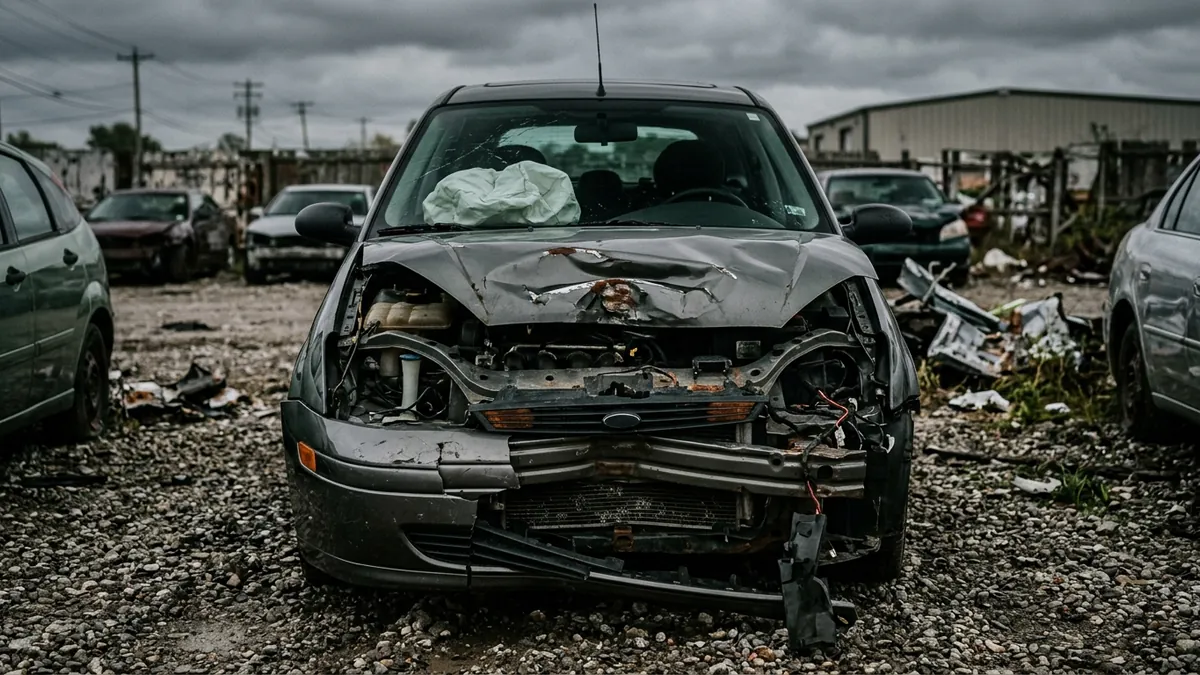
If an insurer totals the car, the payout usually goes to the lender first. The Texas Department of Insurance says the insurance company will usually pay the lender the amount you still owe and then pay you the balance after you sign over the title. Standard coverage pays what the car is worth, not what you owe.
That leaves a gap when the loan is bigger than the car's value. The CFPB describes GAP insurance as an optional product intended to cover the difference between what you owe and what the insurer pays when a car is totaled or stolen. Check your purchase paperwork for it. Without it, TDI notes, you are responsible for the remaining loan balance.
Other kinds of liens on a car title
Banks and finance companies are the usual lienholders, but there are others. A title loan puts the title lender on the title the same way, and the same rule applies: the lienholder must be paid and must release the lien. Some states also let repair shops or storage facilities claim a lien for unpaid bills, and those rules vary a great deal. If you see a lienholder on your title that you do not recognize, contact your state motor vehicle agency before you try to sell.
If the title itself is missing, sort that out at the same time, and ask your motor vehicle agency how it handles a duplicate when a lien is recorded. Our guide to selling a junk car without a title explains the options.
How to find a buyer that handles liens
Not every result for "junk yards for cars near me" will take a car with a lien, so look for a licensed buyer that will confirm in writing how it handles the payoff. Browse yards and recyclers in our junkyard and salvage yard directory or by state, such as Texas junkyards and salvage yards or Florida junkyards. When you call, give the lender's name and your payoff amount, and ask whether the buyer pays lenders directly. Our guide to junkyards that buy cars explains how yards, brokers, and auction buyers differ.
You can also request offers for your car and mention the lien in the details. For what happens to the car once the deal closes, see what happens to your car at a junkyard.
This is general information, not legal advice. Rules change; confirm with your lender and your state motor vehicle agency before you sell.
Sources
- Consumer Financial Protection Bureau: What is a payoff amount and is it the same as my current balance? (accessed October 2026)
- Consumer Financial Protection Bureau: Should I trade in my car if it's not paid off? (accessed October 2026)
- Consumer Financial Protection Bureau: What is Guaranteed Asset Protection (GAP) insurance? (accessed October 2026)
- Texas Department of Motor Vehicles: Add/Remove a Lien on a Vehicle (accessed October 2026)
- Florida Department of Highway Safety and Motor Vehicles: Electronic Lien and Titles (accessed October 2026)
- California DMV: Electronic Lien and Title Program (accessed October 2026)
- California DMV: Title Transfers and Changes (accessed October 2026)
- Texas Department of Insurance: Frequently Asked Questions about Fire/Smoke/Explosion Damage (accessed October 2026)
- Texas Department of Insurance: Flooded cars: What to know about insurance claims and repairs (accessed October 2026)